


Laser hair removal is a popular option for achieving long-term hair reduction, but did you know that not all hair responds to treatment in the same way? If you’ve ever wondered why laser hair removal seems to work more quickly on certain areas of your body, or why some hairs remain after several sessions, the answer could come down to your hair’s thickness, colour and growth cycle. One of the biggest factors influencing laser hair removal results is whether your hair is fine or coarse. Understanding the difference can help you set realistic expectations and determine whether treatment is right for you.
So, does laser hair removal work on fine hair? And why does thicker, darker hair often respond better?
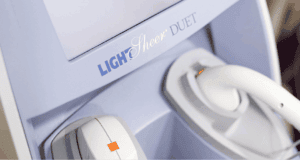
How Does Laser Hair Removal Work?
Laser hair removal uses concentrated light energy to target pigment, known as melanin, within the hair. When the pigment absorbs the laser energy, it converts into heat, which can damage structures involved in hair growth. Over a course of treatments, this can lead to a reduction in the amount of hair that grows back. However, the effectiveness of laser hair removal depends on several factors, including the amount of pigment in the hair, its thickness, the treatment settings and the contrast between the hair and surrounding skin. This is why two people receiving laser hair removal on the same area may experience very different results.
Does Laser Hair Removal Work on Fine Hair?
Laser hair removal can work on some fine hair, particularly when it contains enough dark pigment to absorb the laser energy. However, fine hair is generally more difficult to treat than thick, coarse hair. Fine hairs have a smaller diameter and may contain less melanin than thicker hairs. This means they can absorb less laser energy, making it harder to deliver sufficient heat to affect the hair follicle. As a result, fine hair may respond less consistently to treatment, even when it’s relatively dark.
Very fine, soft hair, often described as peach fuzz or vellus hair, is particularly unlikely to respond well to conventional laser hair removal. In some cases, treating very fine hair may also carry a risk of paradoxical hypertrichosis, where hair growth increases rather than decreases. Although uncommon, this is an important consideration, particularly when treating areas such as the face. A professional consultation can help establish whether your hair is suitable for laser treatment before you begin a course.
Why Does Laser Hair Removal Work Better on Coarse Hair?
Coarse hair is typically thicker and contains more pigment, giving the laser a more substantial target. Because darker, thicker hairs generally absorb more laser energy, they are often more responsive to treatment than fine, lightly pigmented hairs. This is one reason why areas such as the underarms and bikini line, where hair is often naturally thicker, can respond well to laser hair removal. However, having coarse hair doesn’t automatically guarantee better results. Your skin tone, hair colour, hormonal influences and individual growth cycle can all affect how your hair responds.
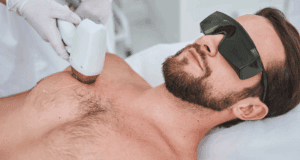
Fine vs Coarse Hair: What’s the Difference?
Understanding the characteristics of your hair can help explain why laser hair removal results vary between individuals and treatment areas. Dark, coarse hair often responds best because its greater thickness and pigment allow it to absorb more laser energy. Dark, fine hair may also respond, although results can be less predictable, while light brown, fine hair is generally more challenging to treat due to its lower pigment levels.
Blonde, red and grey hair typically respond poorly to conventional laser hair removal, as they contain less of the pigment targeted by the laser. Very fine, soft facial hair, often referred to as peach fuzz, is usually unsuitable for treatment due to limited effectiveness and the potential risk of stimulating increased hair growth. However, these are general guidelines, and suitability should always be assessed individually by a trained practitioner.
Does Hair Colour Affect Laser Hair Removal Results?
Yes. Hair colour is another important factor in determining how effectively laser hair removal works. Laser technology relies on pigment within the hair to absorb energy, which means darker hair is generally easier to target.
- Dark brown and black hair typically contain more melanin and are often the most responsive to laser treatment.
- Light brown hair may respond, depending on its thickness and pigment concentration.
- Blonde, red, white and grey hair can be significantly more difficult to treat because they contain little of the type of pigment targeted by conventional hair removal lasers.
It’s important to remember that hair colour and thickness work together. For example, someone with thick, dark hair may experience a different response from someone with very fine, dark hair. This is why assessing hair colour alone isn’t enough to determine whether laser hair removal will be effective.
Does Skin Tone Make a Difference?
Skin tone also plays an important role in laser hair removal. Because the laser targets melanin, the pigment present in the surrounding skin must also be considered. Skin with higher melanin levels can absorb more laser energy, increasing the potential risk of burns or changes in pigmentation if inappropriate technology or settings are used. Different laser wavelengths and treatment settings can be suitable for different skin tones, but not every device is appropriate for every patient.
At Simply Clinics, your practitioner will need to assess your skin tone, hair characteristics and relevant medical history before recommending treatment. Laser hair removal should not be performed on recently tanned or sunburnt skin. Sun exposure, artificial tanning and certain skincare products or medications may also require precautions before and after treatment. Always follow the preparation and aftercare advice provided by your practitioner.
Why Do Some Areas Respond Better Than Others?
You might notice that laser hair removal produces more noticeable results on your legs or underarms than on areas such as your face or arms. This can be influenced by the natural characteristics of the hair growing in each area.
For example:
- Underarms: Hair is often dark and coarse, making it a relatively favourable target for laser treatment.
- Bikini line: Hair is typically thicker and more pigmented, although individual responses vary.
- Legs: Hair thickness and density can vary considerably, meaning some areas may respond more quickly than others.
- Arms: Hair may be finer and lighter, which can make treatment less predictable.
- Face: Hair can be particularly fine and may be influenced by hormonal factors, requiring careful suitability assessment.
Hormonal changes can also affect hair growth, particularly on the face. This means that even after a successful course of laser hair removal, new hairs may develop over time.
How Many Laser Hair Removal Sessions Will I Need?
Laser hair removal is a gradual process rather than a one-off treatment. Hair grows in different stages, and laser treatment is generally most effective when hairs are in the active growth phase, known as the anagen phase. Because not every hair is in this phase at the same time, multiple sessions are usually required to target hairs as they progress through their growth cycles.
Many treatment courses involve approximately 6–8 sessions, although this is only a general estimate. Some people need fewer or more treatments depending on the area, hair characteristics, device used and individual response. Fine hair may respond less consistently, and additional sessions do not necessarily make unsuitable hair treatable.
It’s also important to understand that laser hair removal is best described as long-term hair reduction rather than guaranteed permanent hair removal. Some hair may eventually regrow, often finer or less densely than before, and maintenance treatments may be appropriate for certain patients.
For more information about what to expect from your appointments, read our guide: Laser Hair Removal: The FAQs You Didn’t Know You Needed.

What If My Hair Is Too Fine for Laser Hair Removal?
If your hair is very fine, lightly pigmented or predominantly vellus hair, laser hair removal may not be the most appropriate option. A trained practitioner should be able to explain whether your hair is likely to respond and whether the potential benefits outweigh the risks.
For some people, alternative hair removal methods may be more suitable. Electrolysis, for example, can treat individual hairs without relying on their pigment, although its suitability, availability and treatment requirements should be discussed with an appropriately qualified professional. The important thing is to avoid committing to a course of laser hair removal without first understanding whether your hair characteristics make you a suitable candidate.
Is Laser Hair Removal Right for You?
The most effective laser hair removal plan starts with understanding your individual skin and hair characteristics. At Simply Clinics, a laser hair removal consultation allows your practitioner to assess the treatment area, discuss your goals and explain what results may realistically be achievable.
Whether you’re considering laser hair removal for your legs, underarms, bikini line or another area, professional assessment is particularly important if your hair is fine, light or hormonally influenced. Not every hair type is suitable for laser treatment, and a personalised assessment helps ensure that any recommended course is appropriate for your needs.
Start Your Laser Hair Removal Journey with Simply Clinics
When it comes to laser hair removal, hair thickness really does matter. While dark, coarse hair often responds more effectively, fine hair can be more challenging, and some hair types may not be suitable for treatment at all. Understanding these differences before starting a course can help you make informed decisions and set realistic expectations.
Book a consultation at Simply Clinics to have your skin and hair assessed by an experienced practitioner and discuss your treatment options.
Find Your Nearest Simply Clinics Location
Back


