


As the temperatures drop and the central heating goes on, you might notice a change in how your skin looks and feels. Your usual moisturiser might not feel quite as effective, your skin may feel tighter throughout the day, or you might notice more flakiness, sensitivity and dullness than usual. While cold weather is often blamed for winter skin concerns, the environment inside your home or workplace could also be contributing. Central heating can reduce indoor relative humidity, creating an environment in which your skin loses moisture more easily. But why does this happen, and how can you keep your skin feeling comfortable and hydrated without turning the heating off altogether?
Does Central Heating Make Your Skin Dry?
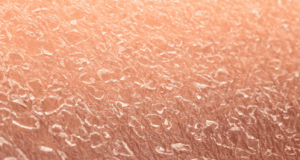
Central heating can contribute to dry and dehydrated skin, particularly when you’re spending long periods indoors. When cold air is heated without additional moisture being introduced, its relative humidity decreases. This means the air becomes relatively drier, creating conditions that can encourage water to evaporate from the skin’s surface. Moving between cold outdoor temperatures and warm, dry indoor environments can also make it more challenging to maintain comfortable skin throughout the winter months. If your skin is naturally dry, sensitive or prone to irritation, you may notice these changes more than others. However, even people with oily or combination skin can experience dehydration as a result of their indoor environment.
What Is Transepidermal Water Loss?
To understand why central heating affects your skin, it helps to understand a process called transepidermal water loss, often abbreviated to TEWL. Transepidermal water loss is the natural process through which water passes through the skin and evaporates into the surrounding environment. Your skin’s outermost layer, known as the stratum corneum, acts as a protective barrier that helps regulate this water loss. When the surrounding air is particularly dry, water can evaporate more readily from the skin.
If your skin barrier is already compromised, it may be less effective at retaining moisture. This can contribute to symptoms such as tightness, roughness, flakiness and increased sensitivity. Although transepidermal water loss is a completely natural process, excessive moisture loss can make it more difficult for your skin to remain hydrated and comfortable.
How Does Central Heating Affect Your Skin Barrier?
Your skin barrier contains naturally occurring lipids, including ceramides, cholesterol and fatty acids, which help retain moisture and protect against external irritants. Prolonged exposure to low-humidity environments can contribute to dryness and place additional stress on this protective barrier.
When your skin barrier isn’t functioning optimally, you may notice that products you previously tolerated begin to sting or that your skin feels uncomfortable more frequently. Common signs that your skin may be struggling with moisture loss include:
- Tightness, particularly after cleansing.
- Dry or flaky patches.
- Increased sensitivity or irritation.
- A dull or rough-looking complexion.
- Fine dehydration lines becoming more noticeable.
- Skin that feels uncomfortable despite regular moisturising.
These symptoms can have several causes, so they don’t necessarily mean central heating is solely responsible.
Can Central Heating Dehydrate Oily Skin?
Yes. One of the most common misconceptions about skin dehydration is that it only affects people with naturally dry skin. Dry skin generally lacks sufficient lipids, while dehydrated skin lacks water. This means your skin can produce plenty of natural oil and still experience dehydration. If you have oily or combination skin, you might notice that your complexion feels tight or uncomfortable while still appearing shiny in certain areas. Using harsh cleansers or increasing exfoliation to manage oiliness may make this discomfort worse.
Instead, focusing on lightweight hydration and supporting your skin barrier may be a more suitable approach.
Why Does My Skin Feel Drier in the Office?
If you’ve noticed that your skin feels relatively comfortable in the morning but becomes increasingly tight or dry throughout the working day, your office environment could be a contributing factor. Central heating, air conditioning and ventilation systems can all influence indoor humidity. Sitting close to a radiator or directly beneath a warm air vent may also increase your exposure to warm, dry airflow.
Other everyday habits, such as frequent handwashing, using harsh soaps or repeatedly washing your face, can contribute to further moisture loss. If possible, avoid sitting directly beside heat sources and consider adjusting your skincare routine to provide more effective moisture retention throughout the day.
How to Protect Your Skin When Central Heating Is On
You don’t need to turn off your heating to keep your skin feeling hydrated this winter. A few adjustments to your indoor environment and skincare routine may help reduce moisture loss.
1. Consider Using a Humidifier
A humidifier introduces moisture into the air, helping to counteract the low humidity associated with heated indoor environments. Maintaining indoor relative humidity of around 30–50% may help create a more comfortable environment. Consider using a humidifier in your bedroom or home office, particularly if these are spaces where you spend several hours each day. Remember to clean your humidifier regularly according to the manufacturer’s instructions and avoid excessive humidity, which can encourage mould growth.
2. Adjust Your Cleanser
If your skin is already experiencing increased moisture loss due to central heating, using a harsh cleanser may contribute to further dryness. Consider switching to a gentle, hydrating cleanser that removes everyday impurities without leaving your skin feeling stripped. Avoid washing your face with very hot water, as this can also contribute to dryness and irritation. Your skin should feel comfortable after cleansing, rather than excessively tight or squeaky clean.
3. Choose a Moisturiser That Helps Retain Water
When your skin is exposed to dry indoor air, hydration alone may not be enough. You also need to help your skin retain that moisture. Look for moisturisers containing a combination of humectants, emollients and occlusive ingredients.
- Humectants, such as glycerin and hyaluronic acid, help attract and retain water within the skin’s outer layers.
- Emollients, such as squalane and fatty acids, help soften the skin and improve its surface texture.
- Occlusives, such as petrolatum and dimethicone, form a protective layer that helps reduce water loss.
- Ceramides can also be beneficial in moisturising formulations designed to support skin barrier function.
Using a combination of these ingredients may be more effective than relying on a hydrating serum alone.
4. Apply Moisturiser to Slightly Damp Skin
Applying moisturiser shortly after cleansing, while your skin is still slightly damp, can help retain moisture. If you’re using a hydrating serum, follow it with a suitable moisturiser to help reduce evaporation. You may also find that switching to a slightly richer moisturiser during the winter months helps your skin feel more comfortable throughout the day.
5. Reconsider Your Exfoliation Routine
During periods of increased dryness, your skin may become less tolerant of certain active skincare ingredients. Frequently using exfoliating acids, physical scrubs or retinoids can contribute to irritation, especially when your skin barrier is already under stress. If your skin feels particularly sensitive, tight or uncomfortable, consider reducing unnecessary exfoliation and prioritising gentle cleansing and moisturising. If you use prescribed skincare, speak to your prescribing healthcare professional before making changes.
6. Avoid Sitting Directly Next to Radiators
While sitting beside a radiator might feel particularly appealing during winter, spending prolonged periods close to a heat source could contribute to skin discomfort. Where possible, maintain a comfortable room temperature and avoid positioning yourself directly in front of heaters or warm air vents. This is particularly worth considering if you work from home or spend most of your day in a centrally heated office.
Does Drinking More Water Help Dry Skin Caused by Central Heating?
Staying adequately hydrated is important for your overall health, including your skin. However, drinking more water alone won’t necessarily resolve skin dryness caused by low indoor humidity or an impaired skin barrier. Your skin’s ability to retain moisture also depends on the condition of its outer protective layer and the environment surrounding it. Maintaining adequate hydration alongside a suitable skincare routine and managing indoor humidity is generally a more practical approach than relying on increased water intake alone.
Why Does My Skin Feel Drier Overnight?
If you wake up with particularly tight or dry skin, your bedroom environment could be contributing. Keeping the heating on overnight, especially in a room with low humidity, can expose your skin to dry air for several hours. Your evening skincare routine is therefore an important opportunity to support moisture retention. Using a gentle cleanser followed by a suitable moisturiser, avoiding unnecessarily hot showers before bed and maintaining comfortable bedroom humidity may help. If your skin continues to feel dry despite these adjustments, there may be other factors contributing to your symptoms.
Can Professional Facials Help Dehydrated Winter Skin?
If your skin is looking dull or feeling dehydrated during the winter months, a professionally selected facial may help improve its appearance and surface hydration. At Simply Clinics, treatments such as HydraFacial and the GeneO+ Superfacial may be considered for suitable patients looking to address dryness, dullness and uneven skin texture. However, professional facials should complement a consistent, barrier-friendly skincare routine rather than replace it.
If your skin is particularly irritated, inflamed or sensitive, treatments involving exfoliation may not be appropriate until your skin has recovered. A professional skin consultation can help you understand whether your skin would benefit from a hydrating treatment or whether adjusting your everyday skincare routine should be the first priority.
For more seasonal skincare advice, read our guide on How to Prevent Dry Skin This Winter.
When Should You Seek Professional Advice for Dry Skin?
Although central heating can contribute to seasonal dryness, it isn’t always the only cause. Persistent dryness, itching, redness, cracking or inflammation may be associated with underlying skin conditions such as eczema or contact dermatitis.
If your symptoms don’t improve with gentle skincare and environmental adjustments, or if your skin becomes painful, cracked or begins to bleed, it’s important to seek advice from an appropriately qualified healthcare professional. Signs of infection, such as spreading redness, increasing pain, warmth or discharge, should be assessed promptly. If an underlying skin condition is suspected, medical assessment may be recommended before considering aesthetic treatments.
Keep Your Skin Comfortable This Winter with Simply Clinics
Central heating might make your home feel warmer and more comfortable, but the associated reduction in indoor humidity can make it harder for your skin to retain moisture. Understanding how your environment affects your skin can help you make more informed choices about your skincare routine. Rather than constantly adding new products, focus on gentle cleansing, effective moisturising and supporting your skin barrier throughout the colder months.
At Simply Clinics, our team can help you better understand your skin concerns, review your skincare routine and explore suitable professional treatments tailored to your individual needs.
Find Your Nearest Simply Clinics Location and book your skin consultation today.
Back


